
RTA Dubai AI Revolution: A Comprehensive Look at 24/7 Smart Monitoring
Nomi Malik
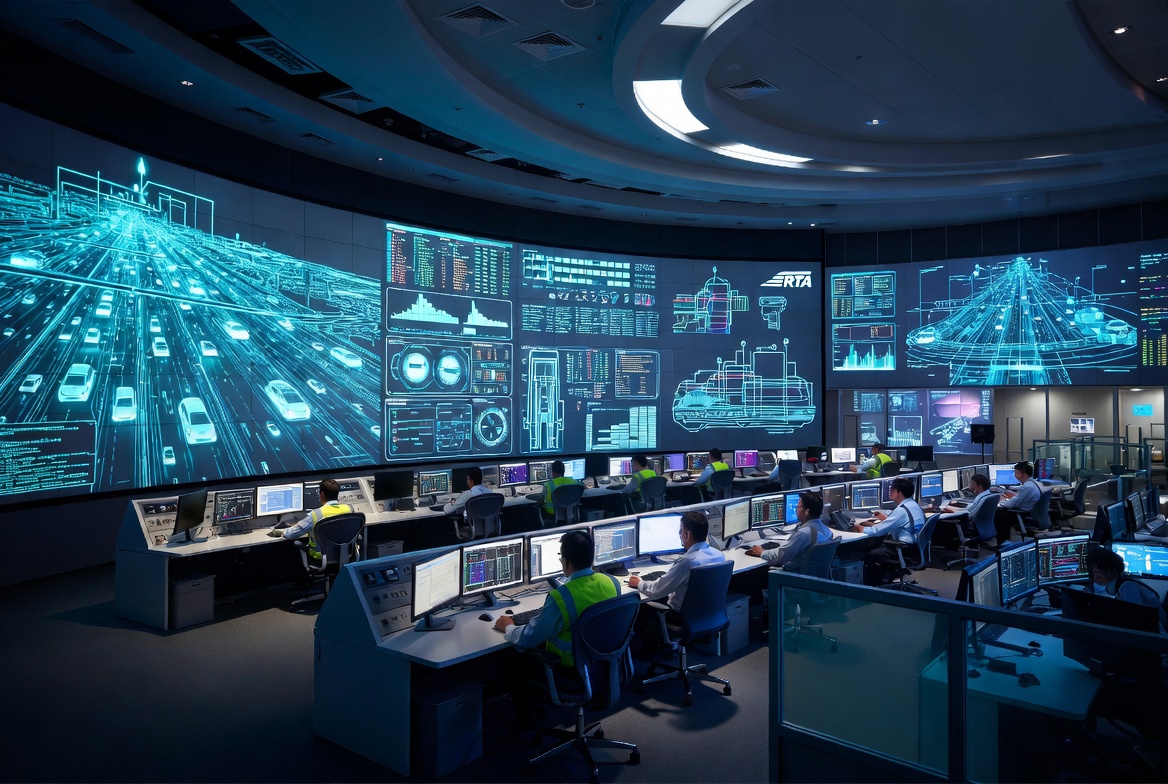
Dubai is no longer just a city of physical landmarks; it is becoming a masterpiece of digital engineering. The Roads and Transport Authority (RTA) has embarked on a journey to integrate Artificial Intelligence (AI) and Machine Learning into the fabric of the city’s mobility.
Central to this vision is the expansion of the Technology Operation Control Center (TOCC), a high-tech fortress designed to ensure Dubai’s transport services never sleep.
The Central Nervous System: The Technology Operation Control Center (TOCC)
During a high-level inspection, His Excellency Mattar Al Tayer, Director General and Chairman of the Board of Executive Directors of the RTA, highlighted the TOCC as the "central brain" of Dubai’s digital infrastructure.
The TOCC is an integrated command hub that provides real-time oversight of a massive technical ecosystem. Its mission is to ensure zero downtime for critical services that millions of residents and tourists depend on every hour.
Core Services Under TOCC Oversight:
- Mass Transit Systems: Real-time health monitoring of the Dubai Metro and Dubai Tram.
- Fleet Operations: Continuous tracking of thousands of Public Buses, Taxis, and Marine Transport vessels.
- Smart Payment Gateways: Overseeing the Nol card system, ensuring fare collection and top-ups are processed instantly.
- Infrastructure Management: Managing Smart Parking sensors and automated traffic signals across the emirate.
- Customer Digital Platforms: Ensuring 24/7 availability of the RTA Mobile App and web portals.
Advanced Technical Pillars of the TOCC
The expansion of the TOCC isn't just about more screens; it’s about smarter logic. The facility is divided into units that handle the complexities of a modern smart city:
1. AI-Powered Predictive Monitoring
Unlike traditional systems that alert staff after a failure, the RTA’s new AI monitors data patterns. If a server hosting the Nol system shows a slight temperature increase or lag in response time, the AI flags it for proactive maintenance. This prevents system crashes before they begin.
2. Specialized Operational Units
- IT Support Centre: A 24/7 help desk handling over 500 support requests daily, ensuring RTA employees and systems have the tools they need to function.
- Operations Monitoring Centre: A team focused on the system’s "health," tracking over 200 server-hosting units across multiple advanced data centers.
- InfraInfrastructure Optimization Team: Technical experts who ensure new software and hardware integrate seamlessly without disrupting existing services.Tier III International Certification
The RTA has designed its digital infrastructure to meet the Tier III international classification. In data centers, this is a gold standard. It means the facility has:Power & Cooling: Multiple paths for power and cooling so that any component can be serviced without shutting down the system.
- 99.98% Uptime: A guarantee of service continuity that is vital for a city operating 24/7.
The Human Impact: Why This Matters for You
The ultimate goal of this AI-powered digital transformation is to enhance the human experience. Here is how these upgrades manifest in the real world:
- Minimized Service Disruptions: By detecting faults in the Metro or Bus networks early, the RTA can deploy backup systems or reroute services to keep your commute on schedule.
- Secure Transactions: Enhanced Cybersecurity protocols protect your financial data every time you tap your Nol card or pay for a taxi via an app.
- Enhanced App Performance: Residents will notice faster load times and higher reliability on RTA smart apps, even during peak hours such as New Year’s Eve or major festivals.al Sustainability: AI optimizes route planning and energy consumption within data centers, contributing to Dubai’s goal of becoming a sustainable smart city.
Frequently Asked Questions (FAQs)
How does the RTA use AI for public safety?
AI-powered cameras and sensors monitor crowd levels at stations and detect traffic violations in real-time. This allows the RTA to manage passenger flow during busy events and ensure road safety through automated detection.
What happens if a major server fails?
Thanks to the Tier III certification, the RTA has built-in redundancy. This means if one server or power source fails, another automatically takes over without the user ever noticing a glitch.
Is the Nol card system part of this digital expansion?
Absolutely. The TOCC monitors the entire payment backend. This ensures that when you tap your card at a Metro gate or a bus entrance, the transaction is verified in milliseconds, 24 hours a day.
Does this system help in reducing traffic congestion?
Yes. By monitoring traffic flow and bus occupancy through AI, the RTA can adjust signal timings and dispatch extra buses to high-demand areas, effectively reducing bottlenecks.
How does this support Dubai’s 2030 Vision?
This initiative is a core component of the Dubai Smart City Strategy, aiming to make Dubai the smartest city in the world by leveraging technology to provide a seamless, safe, and efficient lifestyle for all.